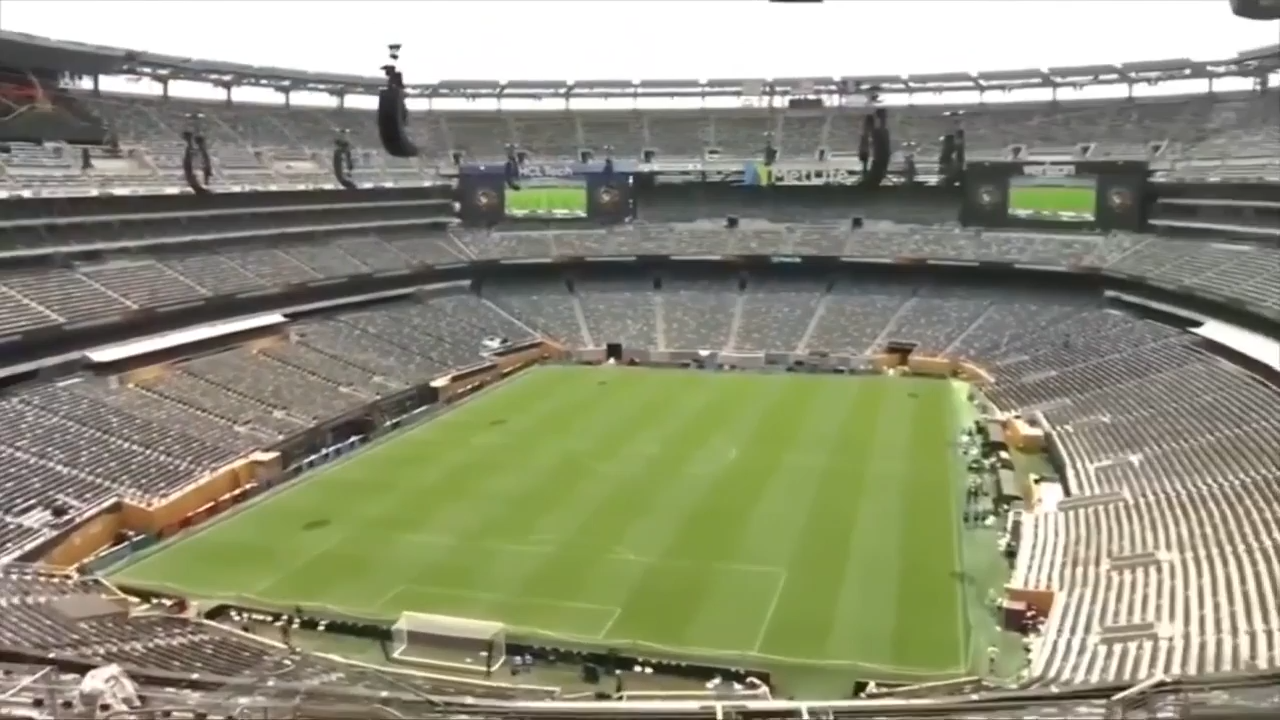
Recent data indicates a significant decline in international visitors traveling to US host cities for the FIFA World Cup. This downturn is largely attributed to escalating global conflicts and increasing geopolitical tensions, which have discouraged many potential travelers from making international trips during the tournament period.
The FIFA World Cup, one of the world's most watched sporting events, typically attracts millions of international visitors. However, this year's event has seen a notable drop in foreign attendance, raising concerns among organizers and local businesses that rely heavily on tourism revenue.
Experts suggest that ongoing conflicts in various regions, coupled with heightened security concerns, have contributed to travelers' reluctance to visit the United States. Countries experiencing political unrest or military conflicts have issued travel advisories, further deterring their citizens from attending international events abroad.
Moreover, the global geopolitical climate has become increasingly unstable, with tensions between major world powers impacting international travel patterns. Many travelers are opting to postpone or cancel trips to avoid potential risks, which has resulted in a noticeable decrease in tourism numbers for the FIFA World Cup host cities.
US officials and FIFA organizers are closely monitoring the situation and exploring strategies to boost international attendance. These include enhanced security measures, targeted marketing campaigns, and diplomatic efforts to reassure potential visitors about their safety during the event.
Despite the decline in international visitors, the tournament continues to draw significant domestic crowds. Local residents and fans from within the United States remain enthusiastic supporters, ensuring a lively atmosphere in the host cities. However, the reduced international presence poses economic challenges, particularly for hospitality, transportation, and retail sectors that benefit from global tourism.
In conclusion, the combination of global conflicts and rising tensions has had a tangible impact on international travel to US host cities for the FIFA World Cup. As the event progresses, stakeholders are hopeful that improved security and diplomatic efforts will help mitigate some of these effects and encourage more international visitors to attend in future tournaments.